
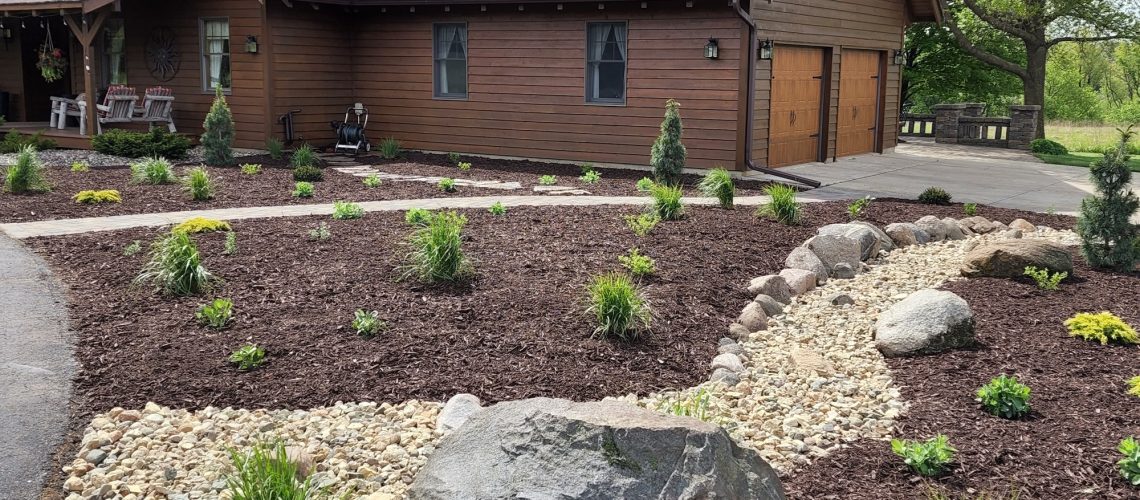

Minnesota’s brutal winters present unique challenges for homeowners who want to maintain beautiful landscapes year-round. With temperatures that can plummet to -30°F and heavy snow loads that persist for months, choosing the right plants and materials becomes crucial for long-term success. Understanding how to work with Minnesota’s climate rather than against it can help you create a landscape that not only survives but thrives through the harshest conditions.
Understanding Minnesota’s Winter Climate Zones
Minnesota spans USDA hardiness zones 3a through 4b, with the northern regions experiencing the most extreme conditions. The state’s continental climate brings not just bitter cold temperatures, but also dramatic temperature swings, heavy snow loads, and fierce winds that can cause significant damage to unprepared landscapes. Ice storms, freeze-thaw cycles, and prolonged periods of snow cover create additional stress on plants and hardscaping materials. When planning your landscape, it’s essential to consider not just the average low temperature, but also factors like wind exposure, snow accumulation patterns, and the duration of frozen ground conditions that can extend well into April in some areas.
Cold-Hardy Trees That Define Minnesota Landscapes
Native and adapted trees form the backbone of successful Minnesota landscapes, providing structure and beauty even in the depths of winter. Sugar maples, red oaks, and American basswood are excellent choices that offer stunning fall color before gracefully transitioning to their winter silhouettes. These trees have evolved to handle the state’s extreme temperature fluctuations and heavy snow loads without suffering branch breakage or trunk splitting.
Evergreen trees provide year-round color and serve as windbreaks that can significantly reduce heating costs while protecting more tender plants. White pines, Norway spruces, and balsam firs create dramatic winter landscapes while offering habitat for wildlife during the coldest months. Paper birch trees, with their distinctive white bark, create striking visual interest against snow-covered backgrounds and are particularly well-adapted to Minnesota’s climate variations.
For smaller spaces, consider hardy fruit trees like Honeycrisp apples, which were actually developed at the University of Minnesota specifically for cold climates. These trees not only survive harsh winters but produce exceptional fruit and beautiful spring blossoms, adding multiple seasons of interest to your landscape.
Shrubs & Perennials That Embrace the Cold
Shrubs provide the middle layer of successful winter landscapes, offering protection for smaller plants while adding texture and seasonal interest. Serviceberry shrubs produce delicate white flowers in spring, berries that attract birds in summer, and brilliant orange-red fall color before displaying attractive branching patterns through winter. Dogwood varieties, particularly the red-osier dogwood, provide stunning red stem color that becomes even more pronounced against snow.
Spirea shrubs, including the compact ‘Little Princess’ variety, offer reliable performance through Minnesota winters while providing masses of spring flowers. These shrubs are particularly valuable because they maintain their shape well under snow loads and recover quickly from any winter damage. Potentilla shrubs deserve special mention for their incredible hardiness and extended blooming period, continuing to produce cheerful yellow flowers well into fall.
Hardy perennials form the foundation of sustainable Minnesota gardens, returning year after year despite harsh conditions. Purple coneflowers, black-eyed Susans, and native wild bergamot not only survive brutal winters but actually benefit from the cold period, emerging stronger each spring. These plants provide valuable seed heads that feed birds through winter while adding architectural interest to snow-covered gardens.
Hardscaping Materials Built for Extreme Weather
Choosing appropriate hardscaping materials is just as critical as plant selection when designing for Minnesota’s harsh winters. Natural stone materials like granite, limestone, and sandstone have proven their durability through countless freeze-thaw cycles. These materials expand and contract uniformly, reducing the risk of cracking and splitting that can plague inferior products. Properly installed natural stone patios and walkways can last decades with minimal maintenance, making them an excellent investment for long-term landscape success.
Concrete pavers specifically designed for northern climates offer another excellent option, particularly those with air-entrained concrete that allows for expansion without cracking. However, avoid standard concrete slabs, which are prone to cracking under Minnesota’s extreme temperature variations. The key is ensuring proper base preparation with adequate drainage to prevent ice formation beneath hardscaping elements.
For retaining walls, engineered block systems designed for freeze-thaw conditions provide both functionality and aesthetics. These systems include built-in drainage features and flexible connections that allow for ground movement without structural failure. Natural boulder retaining walls, when properly installed with appropriate drainage, can last for generations while providing a timeless appearance that complements Minnesota’s natural landscape.
Winter Protection Strategies and Maintenance
Even the hardiest plants benefit from thoughtful winter protection strategies that help them survive extreme conditions. Proper mulching around trees and shrubs helps insulate roots and prevents rapid temperature fluctuations in the soil. Apply a 3-4 inch layer of organic mulch after the ground begins to freeze, creating a barrier that maintains more consistent soil temperatures throughout winter.
Windbreaks and plant placement play crucial roles in winter survival. Strategic placement of evergreen trees and shrubs can create microclimates that protect more sensitive plants from harsh winds and blowing snow. Consider the mature size of plants when positioning them, ensuring that natural windbreaks don’t eventually shade out sun-loving species.
For newly planted trees and shrubs, trunk wrapping and temporary windscreens can provide essential protection during their first few winters. Remove these protective measures in spring to prevent pest problems and allow for normal growth patterns. Anti-desiccant sprays applied to evergreens in late fall can help prevent winter burn caused by dry winds and bright winter sun reflecting off snow.
Sustainable Landscaping for Long-Term Success
Creating a landscape that thrives in Minnesota’s harsh winters requires thinking beyond individual plant and material choices to consider the overall ecosystem. Native plants typically require less water, fertilizer, and pest control while providing habitat for local wildlife. They’ve evolved alongside Minnesota’s climate patterns and are naturally adapted to survive extreme conditions.
Incorporating rain gardens and bioswales into your landscape design helps manage spring snowmelt and reduces erosion while supporting native plant communities. These features work particularly well with native sedges, rushes, and wildflowers that can handle both wet spring conditions and dry summer periods.
Consider the four-season appeal of your landscape choices, selecting plants and materials that provide interest throughout the year. While summer color is important, plants that offer attractive seed heads, interesting bark, or architectural form during winter months provide much more value in Minnesota’s extended cold season.
Working with Professional Landscape Designers
Successful winter landscaping in Minnesota often benefits from professional expertise, particularly when it comes to understanding local microclimates, soil conditions, and the specific challenges your property may face. Experienced landscape designers can help you avoid costly mistakes while ensuring that your investment in plants and materials will provide years of enjoyment.
Professional installation becomes particularly important for hardscaping elements, where proper base preparation, drainage, and construction techniques can mean the difference between a beautiful, long-lasting feature and an expensive repair project. The initial investment in quality materials and installation typically pays for itself through reduced maintenance costs and extended lifespan.
When selecting plants, professionals can help you understand not just hardiness zones but also factors like soil drainage, sun exposure, and wind patterns that significantly impact plant survival. They can also provide guidance on timing for planting, ensuring that new additions have the best chance of establishing before facing their first Minnesota winter.
Creating a landscape that not only survives but thrives through Minnesota’s harsh winters requires careful planning, appropriate plant and material selection, and an understanding of how to work with rather than against the natural climate patterns. With thoughtful design and proper installation, your landscape can provide year-round beauty while standing up to whatever Minnesota weather brings your way.
Contact our expert team today to schedule a consultation for your next landscaping project.
