
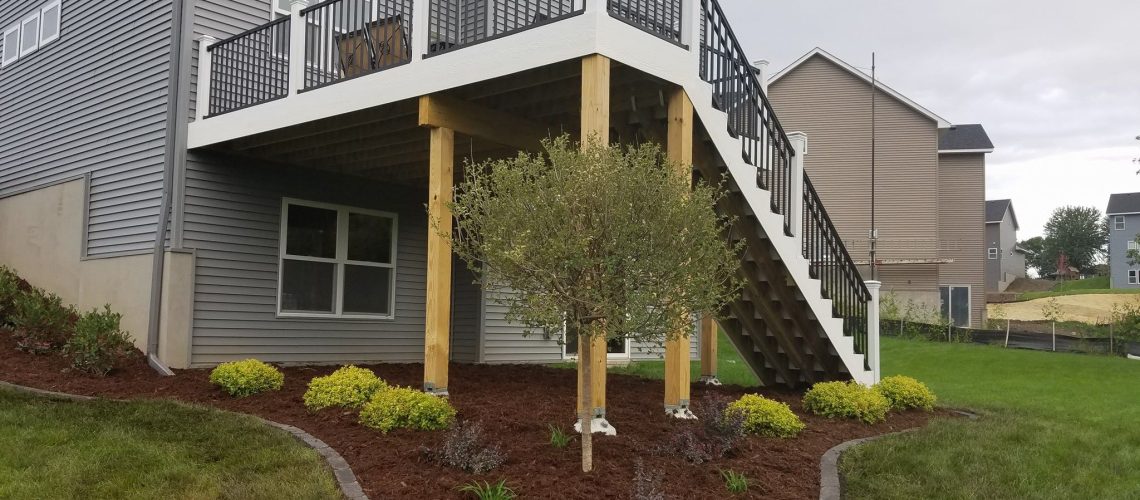

Southern Minnesota’s harsh winters separate plants that merely survive from those that genuinely thrive in our climate. With temperatures regularly dropping below negative twenty degrees, heavy snow loads, biting winds, and dramatic temperature swings, choosing the right plants means understanding what winter hardiness truly means. A plant rated for your zone might technically survive, but thriving plants come back strong each spring, maintain their shape, and provide years of reliable performance without constant coddling.
Understanding Hardiness Beyond the Zone
Southern Minnesota falls primarily into USDA hardiness zones 4a and 4b, with some areas reaching into zone 3b. However, zone ratings only tell part of the story. A shrub that flourishes in zone 4 Vermont might struggle here due to our drier winters, intense sun exposure on frozen ground, and rapid spring temperature fluctuations. True winter-hardy selections for our region have proven themselves through decades of Minnesota winters, not just theoretical zone ratings. They handle our specific combination of extreme cold, variable snowfall, spring freezes after warm spells, and summer heat without showing stress or decline.
Reliable Shrubs for Foundation and Border Plantings
Certain shrubs have earned their reputation through consistent performance across Southern Minnesota landscapes. Spreading junipers like Blue Rug and Calgary Carpet provide evergreen interest while hugging the ground to stay protected under snow. Upright junipers including Wichita Blue and Skyrocket add vertical structure without the winter damage that plagues many other evergreens. Deciduous shrubs like Annabelle hydrangea and PeeGee hydrangea bloom reliably despite our short growing season, while newer Proven Winners varieties offer improved flower power and compact habits. Spirea varieties including Goldflame and Bridal Wreath handle our conditions effortlessly and provide multi-season interest. Korean spice viburnum delivers fragrant spring blooms and survives even the coldest winters when properly sited.
Perennials That Return Stronger Each Year
The best perennials for Southern Minnesota don’t just come back each spring but actually improve with age, forming larger clumps and producing more blooms. Daylilies rank among the most reliable performers, shrugging off winter cold and summer drought with equal ease. Purple coneflower and black-eyed Susan provide months of color while handling temperature extremes that stress lesser plants. Hostas thrive in shaded areas, with hundreds of varieties offering options from miniature to giant sizes. Salvia varieties like May Night provide vertical interest and intense color without requiring winter protection. Ornamental grasses including Karl Foerster feather reed grass and little bluestem add texture and movement while standing up through winter to provide cold-season interest.
Trees That Define the Minnesota Landscape
Selecting trees for Southern Minnesota requires thinking decades ahead, as winter damage to young trees can create structural problems that persist for their entire lives. Sugar maples, red maples, and Freeman maples all perform beautifully here, providing brilliant fall color and strong structure. River birch handles our clay soils better than paper birch while offering similar aesthetic appeal with better disease resistance. Hackberry might be underappreciated, but it tolerates urban conditions, wind exposure, and temperature extremes better than almost any other shade tree. Among evergreens, white spruce and Black Hills spruce maintain their shape through heavy snow better than Colorado blue spruce, which often develops structural issues from ice and snow loading.
Site Conditions Matter As Much As Hardiness
Even the hardiest plants will struggle if placed in unsuitable locations. Southern and western exposures create challenging microclimates where plants face intense winter sun on frozen ground, leading to desiccation damage on evergreens and bark splitting on trees. Northern and eastern exposures generally provide better protection. Wind exposure dramatically increases winter stress, making windbreak plantings or sheltered locations crucial for borderline-hardy selections. Soil drainage becomes critical in winter when frozen ground prevents water from percolating downward, creating ice lenses around roots that can kill even hardy plants. Well-drained sites prevent these problems while poorly drained areas limit plant choices significantly.
Building Landscapes That Last
The most successful Southern Minnesota landscapes use layers of proven performers rather than gambling on trendy varieties of uncertain hardiness. Start with a backbone of reliable trees and shrubs that establish the structure, then fill in with perennials that you know will return. This approach creates landscapes that improve each year rather than requiring constant replacement of plants that barely survived winter or died outright. When you invest in professional landscaping, choosing plants with proven Minnesota track records protects that investment and ensures your property looks better with each passing season. If you’re looking for a 5-star rated company to revamp your outdoor space, contact the experts at Peters’ Patio & Landscape.
